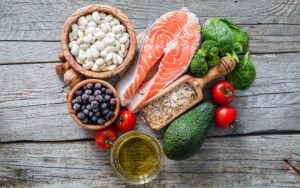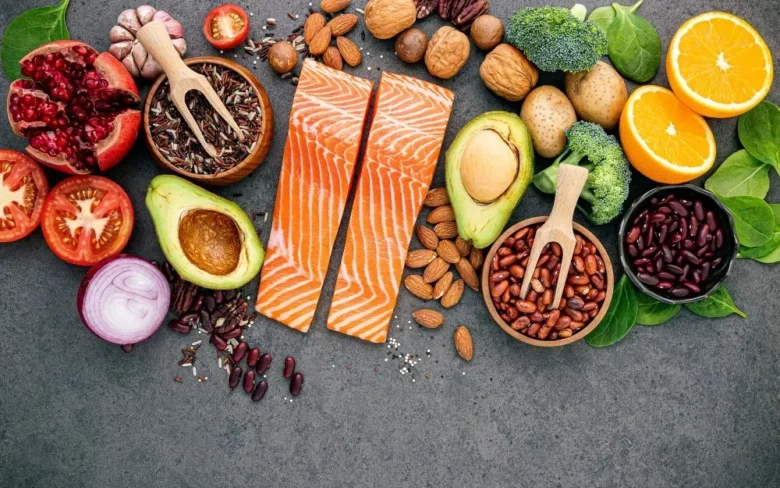
A balanced diet provides all of the essential nutrients you need for optimal health, such as those found in the Eatwell Guide food groups and controlling portion sizes. Eating well can help you feel more energized, strengthen immunity, and improve health overall. Eating healthy can even assist with managing conditions such as diabetes or heart disease.
Source note: This article was reviewed against general nutrition guidance from MedlinePlus and heart-healthy eating guidance from the NHLBI DASH eating plan. Nutrition needs vary, so use these links as background rather than personal medical advice.
1. Protein
Include plant and animal proteins (both plant-derived and animal) in your diet, such as legumes (beans and lentils), nuts, seeds, tofu, and fortified soy beverages. Fish and shellfish also provide valuable sources of essential proteins.
A healthy diet should incorporate all Eatwell Guide food groups and be tailored specifically to an individual’s needs, taking into account allergies or intolerances as well as cultural food preferences. A balanced diet can also include reduced amounts of saturated fat, salt, and sugar—helping lower your risk of heart disease and obesity.
2. Carbohydrates
Carbs are an integral component of a nutritious diet. They supply your body with energy necessary for daily activities and keep you feeling energized throughout your day. Carbs are one of three primary sources of energy in food, commonly considered sugars, starches, and fiber.
Carbs are broken down during digestion into simple sugars (monosaccharides), which are then absorbed and circulated throughout the blood. These include glucose, fructose, and galactose, as well as disaccharides (glucose bonded to galactose) and polysaccharides (more than 10 monosaccharides bonded together—starch, glycogen, and dietary fiber are examples of polysaccharides). Carbs can also be found in milk and dairy products.
3. Fats
Fat is an energy source that helps absorb certain vitamins. While we need enough of it in our diets, we should choose carefully between saturated (such as meat, high-fat dairy products, and butter) and unsaturated fats from plant sources (like rapeseed oil or sunflower seed spread) as each will increase or decrease cholesterol.
Fat is high in calories, so make the most out of each bite by choosing lean cuts of meat, skinless poultry, various fish species, and low-fat dairy products as sources.
4. Vegetables
Vegetables provide essential health-supporting nutrients, such as fiber, potassium, vitamins C and K, folate, vitamin A, calcium, iron, and phytochemicals. Furthermore, their low energy intake prevents overeating by adding satiety to meals.
Vegetables are an integral component of any healthy diet, and it’s wise to incorporate a variety of them. Each variety offers specific health benefits.
5. Fruits
Fruits provide essential vitamins, minerals, fiber, and antioxidants that promote overall gut health and mental wellness. When selecting your fruits, look for locally grown varieties that are in season to maximize both nutrition and flavor. Also try pairing fruit with protein for maximum satisfaction!
Reach your daily fruit intake goal of two servings each day by eating whole, frozen, canned, dried, or 100% fruit juice fruits like berries that have lower sugar levels—they could make delicious additions to smoothies, cereal, or toast!
6. Dairy
Dairy foods such as milk, cheese, and yogurt provide calcium, vitamin D, and protein. Dietary patterns that incorporate dairy have been associated with reduced risks of some chronic diseases in adults, like type 2 diabetes and cardiovascular disease, as well as better bone health.
Healthcare providers, among others, may doubt the advantages of dairy consumption in a well-rounded diet, particularly its ability to fortify the bones of children and teenagers, thereby preventing osteoporosis in the future.
7. Water
Water is an integral component of a healthy diet, helping regulate temperature, digestion, and nutrient transport. Being properly hydrated helps maintain energy levels, support brain function, and keep skin healthy. But fluid needs vary according to age, gender, and activity level.
A balanced diet can boost immunity and lower the risk of conditions like diabetes or heart disease. It also assists those living with medical conditions in managing symptoms more effectively and enhancing quality of life. A nutritious plan combines foods from various food groups (grains, proteins, vegetables, fruits, dairy, or alternatives) according to individual calorie needs and health goals.
8. Alcohol
Alcohol is a complex food-grade compound made up of fermented food-grade sugars found in grains, fruits, and vegetables that has been consumed and then absorbed into the bloodstream and central nervous system—the control center for most body functions.
Students receive conflicting messages about alcohol from media, their friends, and school. Some may perceive alcohol to be harmless when consumed responsibly by adults; other students may think it only has effects on those too young to drink responsibly. It’s essential for students to gain an understanding of how alcohol affects both their bodies and behavior.
A realistic way to use this advice
Imagine you only have twenty minutes and you are already tired. Pick one action from this article, make it smaller, and do it today: one grocery swap, one short walk, one benefits question, or one calmer bedtime habit. The point is not to overhaul your life in a single afternoon; it is to create a repeatable next step that still works on an ordinary day.