Your heart beats approximately 100,000 times a day. It pumps blood through your body, keeping you alive and healthy. Eating well is one of the best ways to care for your heart. Heart disease remains the leading cause of death worldwide, but research shows that nutrition is vital to maintaining a healthy heart. There is a strong link between diet and heart health. By simply adjusting your diet, you can significantly reduce your risk of heart attack, stroke, and other heart conditions. Knowing which foods are good or bad for your heart can improve your health and longevity.
Source note: This article was reviewed against general nutrition guidance from MedlinePlus and heart-healthy eating guidance from the NHLBI DASH eating plan. Nutrition needs vary, so use these links as background rather than personal medical advice.
Why a Balanced Diet is Important
A healthy diet is the best way to protect your heart. It provides your body with the nutrients it needs to maintain strong blood vessels, reduce inflammation, and control your cholesterol levels. When you eat a wide variety of nutrient-rich foods, you provide your heart with the resources it needs to function optimally. This approach involves more than just avoiding “bad” foods; the key is choosing meals that work together to protect your heart.
Large diet studies have linked Mediterranean-style eating patterns with lower cardiovascular risk. This diet emphasizes unprocessed foods, healthy fats, and plenty of fruits and vegetables. It demonstrates that a balanced diet can have a significant impact on heart health. A balanced diet includes adequate fiber, healthy fats, lean protein, and antioxidants, all in reasonable portions, and avoids excessive amounts of processed foods.
Dietary Supplements
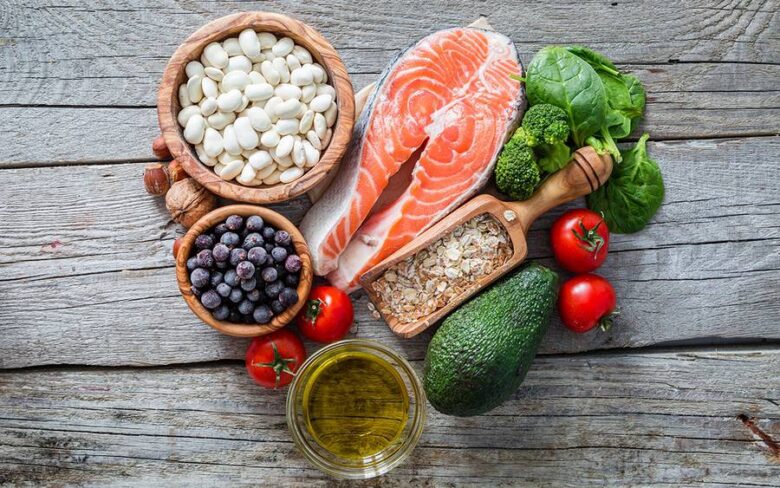
Heart-healthy foods are like your heart’s medicine cabinet; each one offers useful nutrients, but no single food works like a treatment by itself. Salmon, mackerel, and sardines contain heart-healthy fats, while leafy greens, berries, beans, and whole grains can fit well into a DASH-style eating pattern. Rather than relying on claims about one antioxidant or one compound, it is more accurate to focus on the overall pattern: more minimally processed plant foods, appropriate protein, less sodium, and less saturated fat can support healthier blood pressure and cardiovascular risk over time.
Nuts and seeds, particularly walnuts and flaxseeds, provide unsaturated fats and fiber that can be part of a heart-conscious diet. Whole grains like oats, quinoa, and brown rice are rich in fiber, and beans and lentils provide plant-based protein and soluble fiber. Avocados can add unsaturated fat, while dark chocolate is best treated as an occasional food rather than a blood-pressure strategy because benefits depend on product, portion, and overall diet.
Foods to Reduce
Some foods are beneficial for your heart, while others can be harmful to your heart and blood vessels. These foods should be consumed in small amounts. Bacon, sausage, and deli meats are processed meats high in sodium and preservatives. These foods can raise blood pressure and promote inflammation. Trans fats, found in many fried foods, pastries, and margarine, raise low-density lipoprotein (LDL) cholesterol and lower high-density lipoprotein (HDL) cholesterol, which is considered beneficial. Excessive sodium intake from processed foods, restaurant meals, and added salt can raise blood pressure and burden the heart.
Foods and drinks high in added sugars and sugary drinks can lead to weight gain, inflammation, and an increased risk of diabetes, all of which are detrimental to heart health. White bread, pastries, and sugary breakfast cereals are examples of refined carbohydrates that raise blood sugar levels without providing many nutrients. Excessive alcohol consumption can lead to high blood pressure, heart failure, and irregular heartbeats. However, moderate alcohol consumption can be beneficial for some people.
Practical Tips
To maintain heart-healthy eating habits, find ways to incorporate them into your daily routine. Instead of making drastic changes all at once, start by slowly replacing processed foods with whole ones. Make fruits and vegetables your main meal, with meat and refined carbohydrates as sides. To prevent reaching for processed foods when you’re hungry, it’s important to always have heart-healthy snacks on hand, such as nuts, fruits, and vegetables.
Learn how to read nutrition labels so you can see the amount of sodium, added sugar, and different types of fat in packaged foods. When cooking at home, use herbs and spices instead of salt so you can choose your own ingredients and cooking methods. Drink water instead of sugary drinks to stay hydrated, and consider green tea for antioxidants. Use small plates and pay attention to your body’s hunger signals, which can help you eat less. To make shopping easier, make a list by category and shop outside the store, where fresh produce is often available.
Maintaining a Healthy Heart in the Long Run
Healthy eating is crucial for a healthy heart. It’s not about striving for perfection; it’s about making smart daily decisions that will benefit your heart health in the long run. Small changes, when made consistently, can yield big health benefits. Don’t strive for perfection; strive for progress. Celebrate your progress instead of mourning the moments when you give up.
If you want personalized advice based on your health needs, interests, and lifestyle, consider consulting a registered dietitian. Eating heart-healthy foods alongside other healthy choices, such as getting enough sleep, managing stress, exercising regularly, and not smoking, will yield the best results. Your heart is incredibly strong, and the healthy foods you choose will benefit it. Every meal is an opportunity to invest in your long-term health and energy.
A practical example
For a heart-focused grocery trip, choose one oily fish or plant protein, one whole grain, one unsalted nut or seed option, and two colorful fruits or vegetables. If you have high blood pressure, high cholesterol, kidney disease, diabetes, or take heart medication, ask your clinician how these food choices fit your care plan.
Reader questions
1. How quickly can dietary changes impact your heart health?
You can see some benefits from eating heart-healthy foods, such as lower blood pressure and cholesterol, within just a few weeks. However, the most effective preventative effects require a consistent healthy diet over months or even years.
2. Should you eliminate all unhealthy foods?
No, most people don’t need to. The key is to eat more heart-healthy foods and occasionally eat smaller portions of less healthy foods.
3. Can supplements replace a heart-healthy diet?
Some supplements can be helpful, but they cannot replace the minerals, fiber, and other beneficial properties of whole foods. A healthy heart starts with a balanced diet.
4. Is eating only fat bad for your heart?
Not all fats are created equal. Trans fats and excessive saturated fats should be avoided, but unsaturated fats found in foods like olive oil, avocados, and nuts can promote heart health.