To develop an effective, balanced vegetarian diet, you need to do more than just stop eating meat. A healthy vegetarian diet should provide your body with all the nutrients it needs to generate energy, repair itself, and thrive. If you don’t plan ahead, it’s easy to miss out on important nutrients like protein, iron, calcium, and vitamin B12. But when you approach a vegetarian diet correctly, it can be very healthy, sustainable, and satisfying. Developing a plan that is both practical and healthy will help you achieve long-term success and maintain your overall health.
Source note: This article was reviewed against general nutrition guidance from MedlinePlus and heart-healthy eating guidance from the NHLBI DASH eating plan. Nutrition needs vary, so use these links as background rather than personal medical advice.
Understanding the Basics of a Vegetarian Diet
Vegetarians consume primarily plant-based foods, such as vegetables, fruits, legumes, grains, nuts, seeds, and sometimes dairy or eggs, depending on their type of vegetarianism. Variety is the most important aspect of this diet. By eating various foods, you ensure you get all the nutrients you need daily. Each food group has its health benefits, and when combined, they create a balanced diet. To stay healthy and energized, it’s crucial to get a good dose of macronutrients (carbohydrates, proteins, and fats) at every meal.
The Importance of Plant-Based Protein
People often worry about not getting enough protein on a vegetarian diet. Many plant foods are high in protein, which is beneficial. Lentils, chickpeas, and black beans are all high-protein legumes. If you’re a lacto-ovo vegetarian, you can also eat tofu, tempeh, edamame, quinoa, almonds, seeds, and dairy products or eggs. If you’re a strict vegetarian or vegan, it’s crucial to combine your protein sources throughout the day to get all the amino acids you need. Adding protein to every meal aids in muscle recovery, immune system function, and hormone release.
Iron and Zinc Provide Energy
Iron is an important vitamin that helps transport oxygen in the blood. Zinc is also crucial for the immune system and wound healing. Meat is a beneficial source of both nutrients, but vegetarians can get them through beans, fortified cereals, whole grains, pumpkin seeds, and dark green leafy vegetables. The body doesn’t absorb iron from plant sources well, so consuming foods rich in vitamin C, such as oranges, tomatoes, or strawberries, along with iron-rich foods can help your body absorb it better. To stay energized and prevent deficiencies, focus on essential nutrients.
How a Meatless Diet Affects Calcium and Bone Health
Calcium is essential for healthy teeth and bones. If you’re vegetarian and consume dairy, milk, cheese, and yogurt are excellent sources. Those who avoid dairy can get calcium through calcium-fortified plant-based milks, calcium-fortified tofu, almonds, sesame seeds, and dark green vegetables like kale and bok choy. Getting enough calcium and vitamin D from sunlight or a fortified diet helps maintain bone health and reduces the risk of osteoporosis. Regular consumption of these foods helps keep bones strong and healthy.
Getting Adequate Vitamin B12
Vitamin B12 is necessary for red blood cell production and proper nerve function. It occurs naturally in animal products, so staunch vegetarians and vegans should find other ways to get it. Plant-based milks, cereals, and nutritional yeast are examples of fortified foods that provide vitamin B12. Occasionally a vitamin B12 supplement is necessary to prevent an overdose. It’s important to monitor your vitamin B12 intake, as insufficient intake can lead to fatigue, nerve damage, and brain problems. Adding fortified foods to your diet can help you maintain healthy vitamin B12 levels, even without eating meat.
Plan your daily meals carefully.
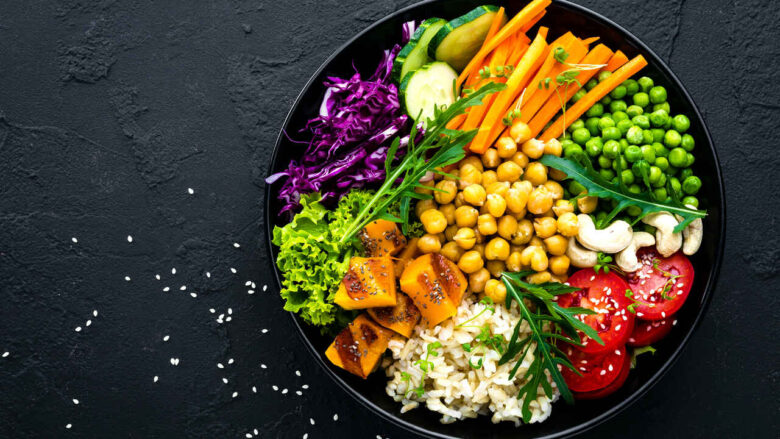
Planning your meals in advance keeps your vegetarian diet balanced and nutritious. The best way to plan your meals is to include whole grains, protein sources, a variety of vegetables, and healthy fats. A meal might include brown rice, lentils, sautéed spinach, and avocado. Snacks like almonds, apples, or yogurt can help you stay energized throughout the day. Planning can also help you resist cravings for processed vegetarian products, which may lack nutrition and contain high levels of salt or sugar.
Cooking Techniques That Preserve Nutrients
How you prepare food can affect its health. Instead of frying, you can also steam, roast, or stir-fry. Overcooking vegetables can destroy certain vitamins, especially folate and vitamin C. Therefore, it’s best to only cook them until tender. Using fresh, seasonal fruits and vegetables can also make food more delicious and nutritious. Adding herbs and spices can enhance flavor without adding excess salt or fat. Cooking at home allows you to choose ingredients and portion sizes, making it easier to follow a healthy vegetarian diet.
Bottom line
With careful planning and attention to variety and nutritional value, it’s possible to develop a balanced vegetarian diet. By consuming a wide variety of plant-based foods, focusing on essential nutrients, and preparing healthy, delicious dishes, you can be successful with a vegetarian diet. Whether you choose a vegetarian diet for health, ethical, or environmental reasons, it can be a very satisfying experience. You can create an eating plan that supports your long-term health, vitality, and well-being with a little preparation and knowledge.
A realistic way to use this advice
Imagine you only have twenty minutes and you are already tired. Pick one action from this article, make it smaller, and do it today: one grocery swap, one short walk, one benefits question, or one calmer bedtime habit. The point is not to overhaul your life in a single afternoon; it is to create a repeatable next step that still works on an ordinary day.
Reader questions
1. Is a vegetarian diet beneficial for people of all ages?
Yes, a balanced vegetarian diet can be beneficial for people of all ages, even children, pregnant women, and the elderly, as long as it meets their nutritional needs.
2. Can I get enough protein without eating meat?
Of course. You can get all the protein you need from beans, tofu, tempeh, dairy, eggs, nuts, seeds, and whole grains.
3. Besides meat, how can I acquire iron?
Lentils, beans, tofu, spinach, and iron-fortified cereals are all excellent sources of iron. Adding vitamin C-rich foods, such as citrus fruits or bell peppers, to these foods can help the body absorb the iron better.
4. Do vegetarians need to take vitamins?
If a vegetarian doesn’t eat fortified foods, they may need supplements to ensure they receive enough vitamin B12, vitamin D, or omega-3 fatty acids. Your healthcare provider can provide specific advice.
5. How do I ensure my vegetarian diet is nutritionally balanced?
Each meal should contain a balanced mix of protein, healthy fats, carbohydrates, and various fruits and vegetables. Planning your meals in advance ensures you get the nutrients you need.