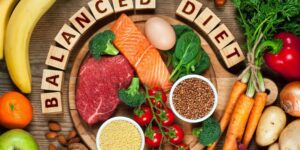
Children need a balanced diet to grow, develop, and stay healthy. To help children develop physically and mentally, they need specific nutrition that meets their needs. A balanced diet includes various foods that provide the nutrients a child needs, such as carbohydrates, proteins, fats, vitamins, and minerals. These nutrients are crucial for a child’s health and energy levels, strengthening the immune system, and promoting healthy growth. Understanding what constitutes a balanced diet can help parents and caregivers make informed choices about their children’s nutrition.
Source note: This article was reviewed against general nutrition guidance from MedlinePlus and heart-healthy eating guidance from the NHLBI DASH eating plan. Nutrition needs vary, so use these links as background rather than personal medical advice.
Understanding Children’s Nutritional Needs
Children develop rapidly and, often, need more nutrients than adults. During these crucial years, their bodies develop muscles, bones, organs, and brains. This means they need not only enough calories but also the right nutrients to thrive. Malnutrition can lead to stunted growth, delayed development, and a weakened immune system. This condition condition occurs when children don’t eat enough or when they eat foods that don’t contain the right nutrients. That’s why a balanced diet for your child is a good way to ensure they grow up healthy and happy.
The Importance of Carbohydrates
Children get a lot of their energy from carbohydrates. Children are often energetic and busy, so their bodies need regular fuel to keep going. Whole grains, fruits, vegetables, and dairy products all contain carbohydrates. However, instead of simple sugars and processed foods, focus on complex carbohydrates, such as brown rice, oatmeal, whole-wheat bread, and pasta. Complex carbohydrates also contain dietary fiber, which promotes digestion and keeps blood sugar levels stable.
The Importance of Protein for Children
Proteins are building blocks of the human body. They are important for children because they help build and repair tissue, support muscle growth, and maintain healthy skin and hair. Protein is also crucial for the immune system. Lean meat, poultry, fish, eggs, dairy products, legumes, and nuts are all beneficial sources of protein for children. Children’s diets should include a variety of protein sources so they get all the amino acids their bodies need to function properly.
Brain Development and Healthy Fats
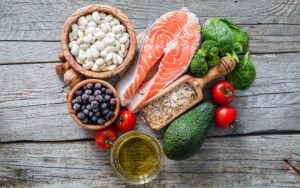
Fats are also crucial in children’s diets, especially for brain development. Omega-3 and omega-6 are two essential fatty acids that contribute to brain and nervous system development. Fats also help the body absorb fat-soluble vitamins A, D, E, and K. Avocados, almonds, seeds, olive oil, and fatty seafood, such as salmon and mackerel, are all beneficial sources of fat. While fats are necessary, parents should limit the intake of trans fats and saturated fats, as these are often found in fast food, baked goods, and processed snacks.
The Role of Vitamins and Minerals
Vitamins and minerals are essential for many biological functions and are an important part of a child’s diet. Calcium and vitamin D, for example, are crucial for healthy teeth and bones. Iron is needed for oxygen transport in the blood, while vitamin C helps the body absorb iron and strengthen the immune system. Fruits and vegetables are important sources of essential nutrients, and children should be encouraged to eat various colorful fruits and vegetables to get various vitamins and minerals. You can meet these nutritional needs by consuming foods like dairy products, leafy greens, citrus fruits, and whole grains.
The Importance of Water for Staying Hydrated
Water is essential for all bodily functions, including regulating body temperature, transporting nutrients, and removing waste. Children can become dehydrated, especially when they are active. Water should be their main beverage throughout the day, but milk and natural fruit juices can also help them stay hydrated. Avoid sugary sodas and energy drinks, as these contain no nutritional value and can contribute to weight gain and dental problems.
Portion Sizes and Healthy Eating Habits
It’s not just what children eat that matters, but also how much they eat. Eating in moderation can help prevent overeating and obesity. Children often need smaller portions, so it’s important to let them eat as much as they want without pressuring them to finish their plate. By maintaining a regular meal and snack schedule, children can learn to recognize when they’re hungry and full. Encouraging them to eat without distractions also helps them make healthier choices.
Promote a Variety of Foods
Children can be picky eaters, but introducing them to a variety of foods at an early age can help them enjoy them more. Adding different textures, colors, and flavors to meals makes food more appealing and increases the likelihood that children will try new things. Involving children in meal planning and preparation can foster an interest in healthy eating. This promotes a balanced diet and teaches children important life skills like cooking and nutrition.
Bottom line
A balanced diet is essential for keeping children healthy and happy throughout their lives. Parents and caregivers can help children grow healthy, strong, and vital by offering them a wide variety of foods, reducing their intake of sugar and processed foods, and encouraging healthy eating habits. It’s crucial to build a positive relationship with food from an early age, as habits formed in childhood often carry over into adulthood. You don’t need to develop a complicated meal plan; you just need to be consistent, eat various foods, and be open to learning and progress.
A practical example
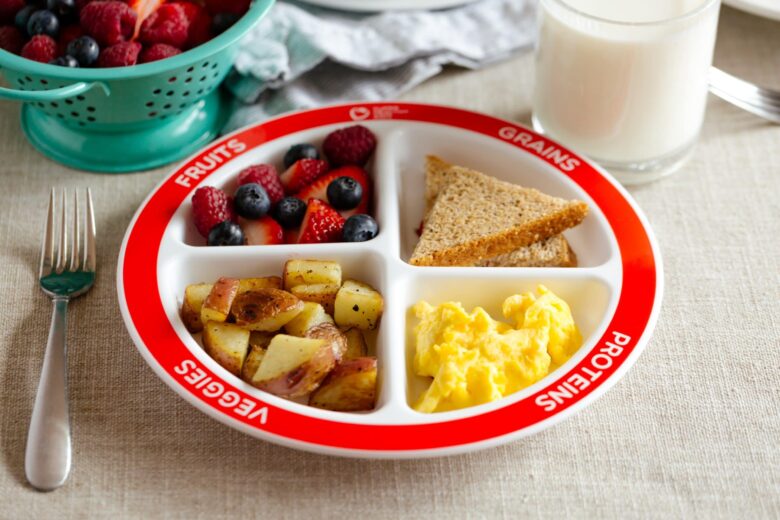
For a child’s lunch, think in food groups instead of perfection: a whole-grain item, a protein food, fruit or vegetables, and water or milk where appropriate. If growth, allergies, restricted eating, diabetes, or digestive symptoms are concerns, ask a pediatric clinician or dietitian for advice tailored to the child.
Reader questions
1. How can I convince my child to eat vegetables?
The best strategy for getting children to eat vegetables is to start early, make them fun and appealing, and set a good example. Including vegetables in every meal, using dips, and involving children in cooking can also help.
2. How many meals per day should children eat?
The best option for children is to eat three balanced meals and two healthy snacks each day. Eating at the same time every day helps children stay focused and energetic throughout the day.
3. Do children need milk for growth and development?
Calcium, vitamin D, and protein are all important for bone growth, and milk is rich in all three nutrients. If your child cannot drink cow’s milk due to lactose intolerance, you can choose a fortified plant-based milk, such as almond milk or soy milk.
4. Does your child need to take vitamins?
A balanced diet should contain all the nutrients most children need. However, if a child isn’t getting enough of a particular nutrient or is on a special diet, a doctor may recommend a supplement.
5. Can your child have cookies occasionally?
Yes, it’s okay to enjoy sweets occasionally as part of a healthy diet. It’s better to teach your child to eat in moderation than to completely restrict food intake, as this can increase cravings and ultimately lead to overeating.