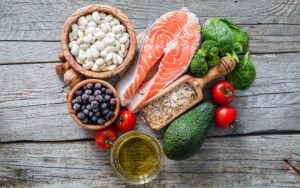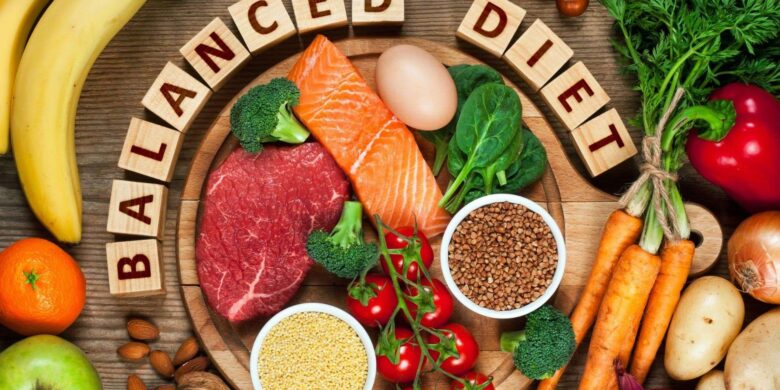
A balanced diet refers to an eating plan that supplies your body with all of the necessary nutrients. It should contain foods from all food groups while being low in fat, sodium, and sugar content. A healthy diet must include plenty of fruits, vegetables, dairy, and whole grain products, as well as fish, lean meats, beans, and soy products—not forgetting various unsaturated fats such as olive, rapeseed, and sunflower oils!
Source note: This article was reviewed against general nutrition guidance from MedlinePlus and heart-healthy eating guidance from the NHLBI DASH eating plan. Nutrition needs vary, so use these links as background rather than personal medical advice.
1. Eat Plenty of Fruits and Vegetables
Fruits and vegetables provide numerous nutritional benefits, are low in calories and fat, and contain essential vitamins, minerals, and fiber that can help you feel satisfied longer while potentially reducing the risks of cancer and heart disease.
Aspiring to incorporate five portions of fruits and vegetables each day—fresh, frozen, canned, or dried foods can all count—into your daily meal is ideal. Avoid processed fruits and vegetables, which tend to contain more calories and fat than their raw equivalents. To increase produce consumption in your diet, add fruit to your morning cereal or enjoy raisins alongside salad at lunchtime.
2. Eat Lean Meats
Though some may opt out of eating meat altogether when trying to shed pounds, lean cuts should still be eaten regularly, as they provide protein, are lower in calories than fattier choices, and provide essential minerals like iron and zinc.
Eating lean cuts of red meat trimmed of visible fat is one way to lower cholesterol and cardiovascular disease risk factors. Furthermore, choosing healthier cooking methods such as baking or roasting to limit saturated fat consumption may also help. But higher-fat meats still play a part in an otherwise balanced diet, as they add flavor and texture.
3. Eat Whole Grains
Eating whole grains is an excellent way to add fiber into your diet. Your body breaks down these complex carbs more slowly, helping keep you full and satisfied for longer. Whole grains contain plenty of fiber, which is proven to lower cholesterol and maintain better control of your blood sugar. Studies have also demonstrated how whole grain consumption can lower the risk for heart disease.
Find products with whole grains by looking out for food packages bearing the “whole grain” seal, rather than using terms such as “multigrain,” “organic,” “stone ground,” and “wheat,” which don’t necessarily indicate they contain many whole grains.
4. Drink Water
Water can help your body function optimally and may even assist with weight loss, particularly if consumed before meals. According to one small study, participants who consumed water prior to each meal consumed less food overall. Sass notes that drinking water requires your body to generate heat energy, using up energy that could help offset some of the calories you are eating.
She advises drinking approximately 91 ounces (11 cups) per day—or roughly 11 cups. To increase water consumption in your diet, try increasing intake by including more fruit or vegetables with high water content, like melons and spinach, or sipping non-sweetened tea and coffee without sugar added.
5. Eat Healthy Fats
Eating a variety of foods helps your body receive all of the calories, proteins, vitamins, and minerals it requires for health. Opt for low-fat or fat-free dairy products and whole grains instead of processed food products; olive oil, vegetable oils, nuts, and avocados provide monounsaturated and polyunsaturated fats, along with omega-3 and omega-6 fatty acids for added benefit.
Saturated fats, which are solid at room temperature and found in meats and dairy products, contain some heart-healthy properties; however, too much saturated fat intake raises bad cholesterol levels and increases your risk for heart disease, so restrict consumption to 10 percent of total calories.
6. Eat Healthy Proteins
Proteins help satiate you and lower appetite, which makes weight loss more manageable and helps you maintain a healthier body size. Furthermore, protein helps regulate hormones that regulate hunger, such as ghrelin. Protein-rich foods include fish, lean meats, eggs, milk, and yogurt, as well as beans and lentils, nuts, seeds, and soy products such as tofu or edamame. Animal proteins (from meat, dairy, and eggs) are known as complete proteins because they contain all essential amino acids necessary for growth and function.
However, high-protein diets may not be appropriate for those living with kidney disease or on dialysis, as excess protein may cause water retention and toxin buildup in their bodies. Consultation with health professionals can assist in creating a balanced eating plan tailored specifically to you and your current state of health.
7. Eat a Variety of Foods
Eating a variety of foods can help keep you on track toward healthy eating while decreasing the likelihood of weight gain. Eating this way also protects against chronic, noncommunicable diseases, like heart disease and type 2 diabetes.
Select whole grains, fresh fruit and vegetables, lean meats, and low-fat milk products as sources of nourishment, while limiting added sugars, salt, and saturated fat. Food should come from all five food groups every day in their recommended amounts; however, certain items and beverages, such as takeout food and cakes, should only be consumed occasionally or rarely.
8. Don’t Skip Meals
Eating multiple, large meals every day is much more effective in controlling energy intake than skipping meals, as skipping can mess with your hunger hormones and cause you to snack more later in the day.
Studies have demonstrated that people who regularly eat dinner may be less likely to gain weight than those who skip it; however, this effect can be confounded by other factors such as perceived stress. Try eating three healthy meals each day: breakfast, lunch, and dinner. Limit fast food intake to occasional treats while replacing processed items with whole food-rich options such as Huel.
9. Don’t Overeat
Overeating is often caused by “eyes being bigger than stomach” at buffets, potlucks, or parties, but it can also become a regular habit that disrupts your diet plan and denies important health benefits such as increased energy levels and decreased cancer risks.
Eating a variety of nutritious food throughout the day is key to avoiding overeating, and finding ways to identify triggers such as boredom or depression and getting help to address them may also be effective. In addition, slowing down and thoroughly chewing food may promote fullness faster and reduce overeating.
Quick self-check before you act
Before changing anything, ask three questions: What problem am I trying to solve? What would make this unsafe or unrealistic for me? Who should I ask if I need personal advice? Those questions keep general information from turning into guesswork about your health, money, or mental well-being.